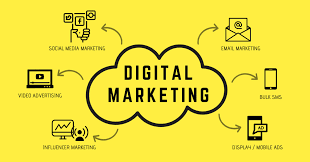
Digital Marketing has become the driving force behind modern brand awareness strategies, especially in 2025 where consumer behavior, platforms, and content trends continue to evolve rapidly. Businesses, both large and small, are no longer just competing in physical markets but in digital spaces where visibility is key. As the digital world expands, understanding the relationship between digital marketing and brand awareness has never been more important.
In this blog, we’ll explore how digital marketing shapes brand visibility in today’s online landscape and why it’s crucial for businesses to invest in it strategically.
The Evolution of Digital Marketing
The concept of digital marketing has grown from being just an extension of traditional marketing to becoming the centerpiece of all brand communication. In the early 2010s, having a Facebook page or running basic Google ads was considered enough. Fast forward to 2025, and digital marketing involves a full ecosystem of platforms, tools, and personalized strategies that work together to engage target audiences.
What makes it so powerful is its data-driven nature. With advanced analytics and AI integration, marketers can now understand consumer behavior like never before, allowing for more refined targeting, creative storytelling, and real-time campaign adjustments.
Key Digital Marketing Channels Influencing Brand Awareness
To understand how digital marketing affects brand awareness, it’s important to break down the major channels that contribute to visibility in 2025.
1. Social Media Platforms
Social media continues to be the most dominant space for brand visibility. Platforms like Instagram, Facebook, LinkedIn, YouTube, and newer players like Threads and BeReal are where brands can build identities, start conversations, and go viral. Consistent posting, engaging visuals, and timely responses are now expected parts of a brand’s digital presence.
Moreover, influencer collaborations and user-generated content have added a layer of authenticity, making it easier for brands to earn trust and spread awareness organically.
2. Search Engine Optimization (SEO)
SEO remains a foundational aspect of digital marketing. Optimizing websites and content for search engines ensures that when users look up a product or service, your brand shows up at the top. In 2025, SEO has become even more competitive with Google’s evolving algorithms focusing heavily on user experience, page speed, mobile optimization, and quality content.
Brands that focus on value-driven content—like blogs, how-to guides, and FAQs—see higher engagement and brand recall.
3. Content Marketing
Storytelling through content is a major driver of brand awareness. Whether it’s long-form blogs, short-form videos, podcasts, or infographics, quality content not only educates and entertains but also strengthens brand identity.
For example, a digital marketing consultant publishing expert insights and case studies regularly builds authority and becomes top-of-mind for clients seeking such services.
4. Email Marketing
Despite being one of the oldest digital marketing tools, email marketing continues to prove its effectiveness. Personalized email campaigns with compelling subject lines and value-based messaging contribute significantly to brand recall and customer retention.
Automation tools in 2025 allow businesses to create intelligent email flows that adapt based on user behavior, ensuring that the right message reaches the right person at the right time.
5. Paid Advertising
Pay-Per-Click (PPC), display ads, social ads, and native ads have evolved to be smarter and more relevant. Platforms like Google Ads, Meta Ads, and TikTok Ads offer AI-enhanced targeting, ensuring that marketing budgets are used effectively to increase visibility.
Well-crafted ads that align with a user’s interest not only get clicks but also strengthen brand recognition even if the user doesn’t convert immediately.
Personalization and AI: The Game Changers
One of the most significant advancements in digital marketing in 2025 is the integration of artificial intelligence and machine learning for personalization. Brands now tailor every touchpoint of a user’s journey—from the website experience to the kind of ad they see on YouTube—based on behavioral data.
This high degree of personalization enhances engagement, builds trust, and improves the chances of customers remembering and preferring the brand over competitors.
Measuring Brand Awareness in the Digital Age
Unlike traditional marketing where brand awareness was hard to quantify, digital marketing offers precise metrics and KPIs that help track visibility and engagement.
Key indicators include:
-
Website traffic and returning visitors
-
Social media reach and impressions
-
Mentions and tags across platforms
-
Search volume for branded keywords
-
Engagement rates on content (likes, shares, comments)
Tools like Google Analytics 4, SEMrush, Brand24, and HubSpot provide actionable insights that help digital marketers refine their strategies for greater brand exposure.
The Human Element in Digital Branding
Despite all the technology, digital marketing in 2025 is deeply human at its core. Consumers expect brands to be transparent, socially responsible, and authentic. They are more likely to support businesses that align with their values.
Brands that create emotional connections through storytelling, participate in social causes, and engage with their audience in meaningful ways enjoy higher brand awareness and loyalty.
For example, a digital marketing consultant who regularly shares client success stories, provides free tips, and engages in comments builds a community that spreads awareness organically.
Challenges in Building Brand Awareness Through Digital Marketing
While the potential is immense, brands must also navigate challenges in their digital marketing journey:
-
Content overload: With every business creating content, standing out requires creativity and consistency.
-
Algorithm changes: Search and social algorithms change frequently, impacting visibility.
-
Ad fatigue: Consumers are exposed to hundreds of ads daily. Poorly designed or overly repetitive ads can hurt brand perception.
-
Privacy concerns: With stricter data regulations (like GDPR and India’s Digital Personal Data Protection Act), collecting and using user data for marketing must be done ethically and transparently.
Overcoming these challenges requires a mix of strategy, agility, and a customer-first mindset.
How Small Businesses Benefit the Most
One of the most powerful aspects of digital marketing is that it levels the playing field. Small businesses no longer need massive budgets to compete with large corporations. With smart use of SEO, social media, and content marketing, even local businesses can build strong brand awareness within their niche.
For instance, a local bakery can run Instagram Reels, collaborate with micro-influencers, and appear in local search results, gaining attention faster than traditional word-of-mouth ever could.
Future Outlook: What’s Next for Brand Awareness?
As we look beyond 2025, digital marketing will continue to evolve. Augmented reality (AR), voice search, and even the metaverse are expected to become integral parts of brand visibility strategies. However, the core principle will remain: understanding your audience, delivering value, and building trust.
Brand awareness won’t just be about being seen—it will be about being remembered, recommended, and respected.
Final Thoughts
Digital Marketing is not just about selling; it’s about connecting. In 2025, it has proven to be the most effective tool for building brand awareness across industries. With the right blend of strategy, technology, and human touch, businesses can ensure that their brand not only stands out but also stays relevant in the minds of their audience.
Whether you’re a startup or an established business, investing in digital marketing today means creating brand visibility that pays off tomorrow.