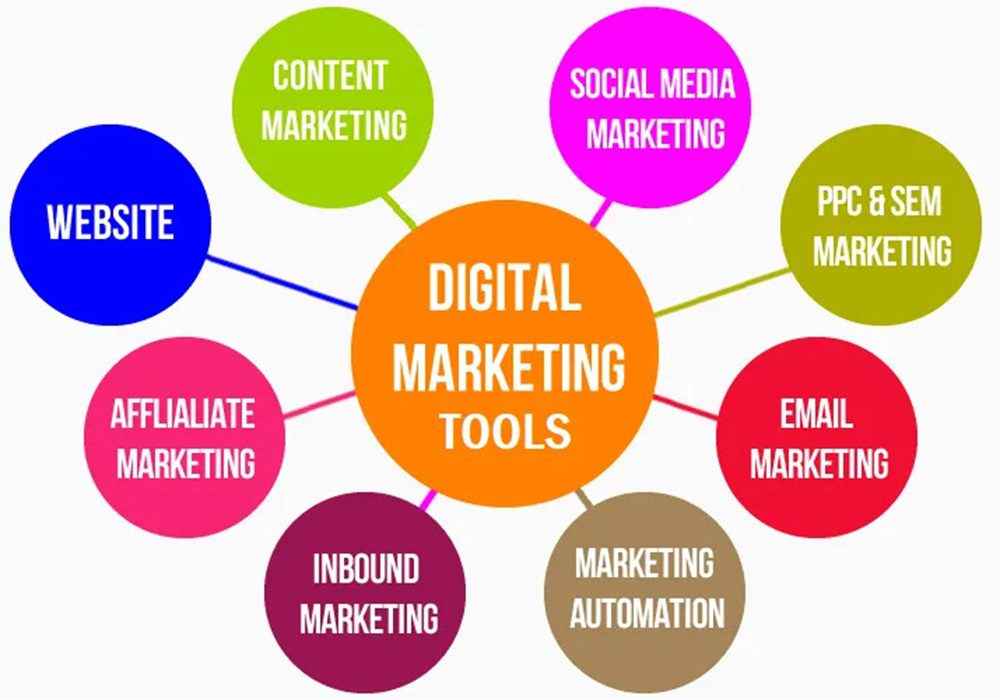
Tools for marketing have significantly evolved in 2025, offering more powerful and user-friendly features that help businesses connect with their audiences more effectively. Among these, webinar tools have become essential for generating leads, building brand authority, and converting prospects into loyal customers. Whether you’re a solopreneur or a marketing agency, using the right webinar software can elevate your campaigns and increase your engagement rate.
In this blog, we’ll explore the best webinar tools for marketing in 2025, their features, advantages, and how to choose the one that fits your business goals.
Why Webinars Are Essential in 2025
Webinars are no longer just online presentations—they are strategic, interactive experiences that allow brands to communicate directly with their audiences in real-time. With remote work, global collaboration, and digital-first communication becoming the norm, webinars serve as one of the most effective tools for marketing education, product demos, training sessions, and client onboarding.
These platforms now offer features like AI-powered engagement tracking, automated follow-ups, CRM integration, and real-time analytics that allow marketers to optimize every session for better results.
What to Look for in Webinar Tools for Marketing
Before diving into the top platforms, let’s first consider what features to prioritize when choosing a webinar tool in 2025:
Ease of Use: The interface should be simple for both hosts and attendees.
Marketing Integration: The tool should integrate with your CRM, email marketing platform, and analytics tools.
Automation Features: Look for automated reminders, replay emails, and on-demand viewing.
Audience Engagement Tools: Live chat, polls, Q&A, and surveys keep the audience involved.
Analytics and Reporting: Data insights help measure the performance of each webinar.
Scalability: As your business grows, your webinar tool should grow with you.
Branding Options: Customizable registration pages and webinar interfaces are a plus.
Best Webinar Tools for Marketing in 2025
Here are the top tools for marketing with webinar capabilities that stand out in 2025:
1. Zoom Webinars
Zoom remains a trusted name in video communication and continues to improve its webinar functionality. It’s ideal for businesses that want reliable performance, clear video, and easy integration.
Key Features:
Supports up to 50,000 participants
Customizable registration forms
Polls, Q&A, breakout rooms
Integration with CRMs and email platforms
Webinar analytics dashboard
Zoom is especially good for companies already using it for meetings, as there’s no learning curve.
2. WebinarJam
WebinarJam is a favorite among marketers due to its powerful automation and live interaction features. It’s specifically designed with marketing in mind.
Key Features:
Built-in email and SMS notifications
Panic button to restart webinars instantly
On-demand and live replay options
Pop-up offers during sessions
Easy CRM and payment gateway integration
For marketers looking to convert viewers in real-time, WebinarJam is among the top tools for marketing success.
3. Demio
Demio is built for marketers who want simplicity and performance. Its elegant interface and strong automation features make it perfect for lead generation.
Key Features:
Custom branding options
No downloads needed for attendees
Automatic replays and event scheduling
CRM integration and Zapier support
In-session engagement tools like handouts and polls
Demio balances ease-of-use with powerful marketing features, making it a smart choice for agencies and small businesses alike.
4. GoTo Webinar
GoTo Webinar remains a reliable solution in 2025, with continued updates focusing on integrations and security. It’s trusted by enterprise-level companies and educational institutions.
Key Features:
Up to 3,000 participants
Scheduled and automated webinars
In-depth analytics and reporting
On-demand options with content hub
Integration with Salesforce and HubSpot
If you prioritize enterprise-grade performance and detailed data, GoTo Webinar is a dependable platform.
5. Livestorm
Livestorm is a browser-based webinar solution that requires no downloads and emphasizes audience engagement. It’s built for seamless communication across devices.
Key Features:
Marketing automation workflows
Email sequences and segmentation
Analytics for each attendee’s engagement level
Multilingual support and browser compatibility
Native integrations with over 100 apps
Livestorm’s mix of simplicity and powerful automation makes it one of the most efficient tools for marketing webinars in 2025.
6. BigMarker
BigMarker is gaining popularity for its customizable webinar experiences and advanced marketing features. It supports live, automated, and hybrid events with high interactivity.
Key Features:
Custom landing pages and webinar funnels
API access and third-party integrations
Interactive webinars with quizzes and offers
Cloud-based recordings and analytics
Embeddable video player on your site
BigMarker is ideal for marketing teams that want full control over the branding and user experience.
7. ClickMeeting
ClickMeeting is another user-friendly tool focused on education, marketing, and training. It’s especially popular among startups and consultants.
Key Features:
Automated webinars with sequences
Moderated Q&A, chat, and polls
Customized invitations and reminders
Integration with PayPal for paid webinars
Analytics dashboard with export options
ClickMeeting combines affordability with key features, making it a strong option for solo entrepreneurs and small teams.
Benefits of Using Webinar Tools for Marketing
The growing use of webinar tools reflects how brands are shifting toward more interactive and value-based marketing.
Some benefits include:
Lead Generation: Capture contact details through registration forms.
Audience Engagement: Real-time interaction builds trust and authority.
Repurposable Content: Webinars can be reused as YouTube videos, blog content, or podcasts.
Education-Based Selling: Showcase expertise to nurture leads through the sales funnel.
Cost Efficiency: Save on travel and venue costs while reaching a wider audience.
These tools for marketing allow you to move beyond static content and engage your audience in more dynamic ways.
How to Choose the Right Webinar Tool
Here’s a quick checklist to help you decide:
Define your goals – Are you aiming for lead generation, internal training, or product demos?
Know your audience size – Different tools have participant limits and pricing tiers.
Set your budget – Some tools charge monthly, others based on attendees or events.
Evaluate integrations – Make sure it works with your email platform, CRM, and other marketing tools.
Try free trials – Most platforms offer demos or trial periods. Take advantage of these to test usability.
Best Practices for Webinar Marketing in 2025
Once you’ve chosen a webinar tool, follow these best practices to get the most out of it:
Promote early and across channels – Use social media, email, and your website to drive sign-ups.
Offer value-driven content – Focus on solving problems, not just pitching.
Send reminders – One day before, one hour before, and 10 minutes before helps boost attendance.
Engage your audience – Use polls, live Q&A, and chat to keep viewers involved.
Follow up after the session – Send replay links, additional resources, and feedback surveys.
By combining the right platform with the right strategy, you can create webinars that not only educate but also convert.
Final Thoughts
Tools for marketing have come a long way, and in 2025, webinar platforms stand out as essential components of a complete digital strategy. From lead generation to customer engagement, webinars help brands build trust, deliver value, and drive growth. With so many feature-rich and user-friendly options available, choosing the right webinar tool is now easier and more impactful than ever.
If you’re serious about elevating your marketing game, investing in the right webinar tool is a decision that will continue to deliver results well into the future.